New Construction Window Treatments in Greenfield: Timing
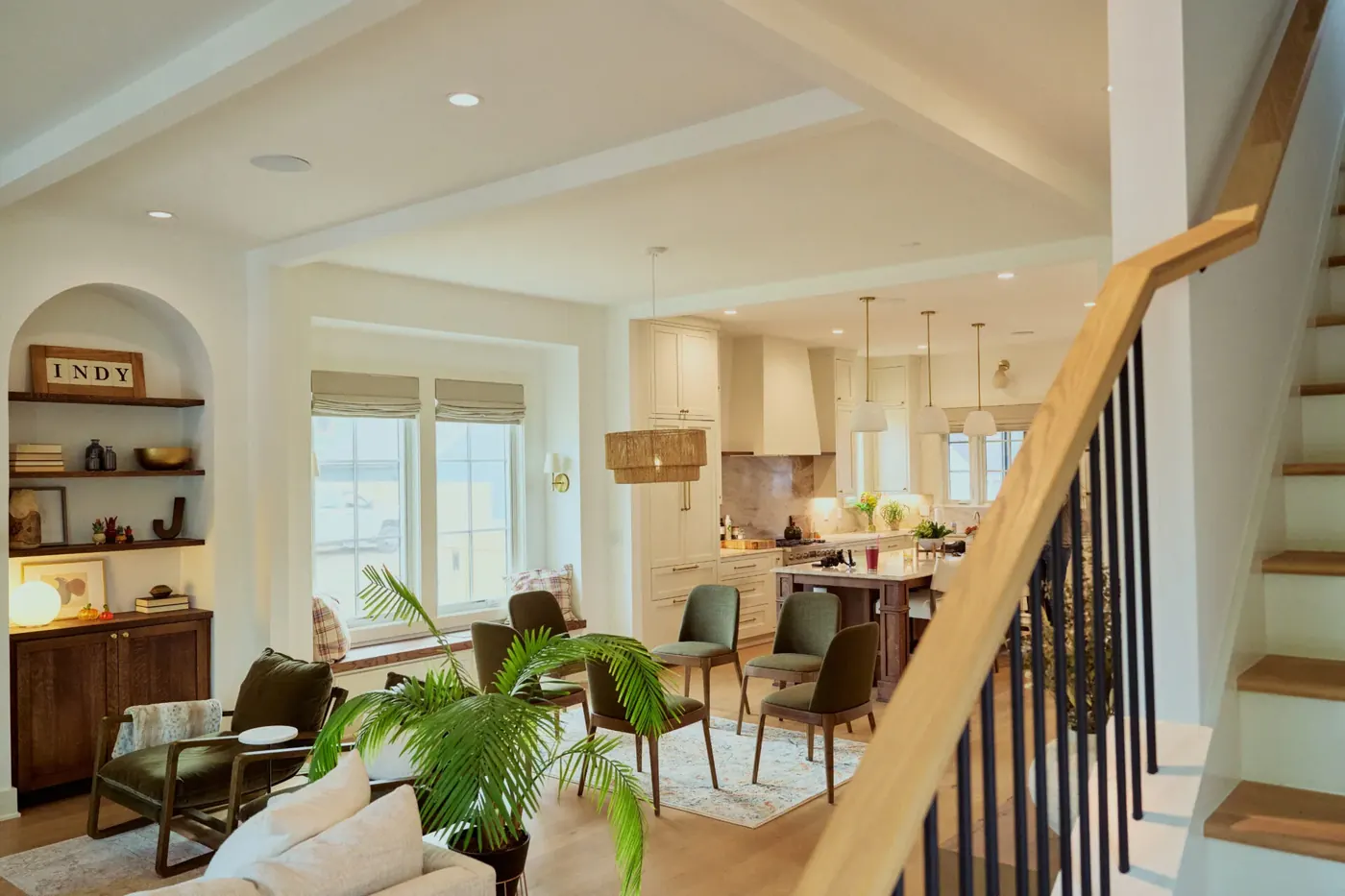
A new Greenfield home comes with a builder allowance for window coverings and a long list of decisions the allowance doesn't cover. When to measure, how to mount around a drywall return, when to phase the job, and what to do about a two story wall of glass all matter more than which fabric you pick first.
What a builder allowance actually buys
Builder grade window coverings are stock product, ordered in quantity and cut to size on site rather than built for your specific opening. That's a reasonable way to finish a whole subdivision, and it's a perfectly fine answer in a laundry room or a guest bedroom. It stops being the answer the moment a room needs real darkness or real glare control.
The math explains why. Stock shades and blinds run roughly $60 to $600 a window nationally, custom measured and installed runs roughly $250 to $2,600. Allowances get calculated against the lower figure, and a Greenfield house finished entirely on that number will have gaps nobody mentioned at the design center.
Measure the house that got built, not the plan
Plan dimensions describe framing intent, not the opening you'll actually cover. Drywall thickness, corner bead, trim reveal, and a coat of paint all eat into the number, paint being trivial alone and real once it's the last thing stacked on. An opening the plan calls thirty six inches can finish anywhere across half an inch or more, often a different width at the top than the bottom.
So the order is drywall first, then trim, then paint, and only then a measurement, never before. Builders also adjust trim after the walkthrough, so wait until the punch list closes or expect to recheck anything that got touched. Drapery is the exception: it gets measured after the finished flooring goes in, since the floor sets the hem length, while hard coverings can be measured earlier because they hang from the top.
Trim style and mounting decide what's possible
Trim style is the detail that decides how a covering actually mounts, and new houses usually mix both types. Some windows get full wood casing with a sill and apron. Others get drywall returns, where the wall material wraps straight into the opening with no wood trim at all.
Inside mounts generally work fine on a drywall return, since there's often plenty of flat depth for a headrail. Outside mounts are the harder case, drywall alone won't hold a bracket under load, so it takes framing above the opening or a mounting board installed first. A drapery rod makes this worse, since a long rod loaded with fabric pulls hard on its anchor.
While a Greenfield house is still open, adding blocking behind the drywall where rod brackets will land costs almost nothing. Almost nobody asks for it, and almost everybody wishes they had once the drapery goes up against bare drywall.
The two story great room window wall
A two story window wall in a Greenfield house deserves its own plan, starting with whether the upper units need covering in the first place. North facing and comfortable, that glass can often stay bare. West facing and unbearable by afternoon, the upper band is the entire reason the room struggles. Once you know the answer, remember that nothing at that height is hand operable, which makes motorization practical rather than a splurge.
Battery motors run roughly $100 to $300 a window less than hardwired ones, and that gap gets closed fast by the annual battery service a wand commonly needs, especially on a wall that requires a lift just to reach it. Hardwiring while the walls are still open sidesteps that entirely.
Bigger isn't always better up there either. A very tall shade gives up more light control at the edges, and one major manufacturer notes larger gaps on shades 120 inches and taller or near a four to one height to width ratio. Splitting into an upper band and a lower band, operated separately, usually wins over one oversized shade. Solar fabric is the typical choice for the view, with openness factor, roughly one to ten percent, setting the tradeoff between glare control and how much view stays visible.
Measure the house that actually got built, not the one on the plan. Do that once the trim and paint are truly finished, and everything else follows. Greenfield Window Treatments measures on site and writes the numbers down opening by opening, then holds the order until the punch list is done. We're insured and bonded. Call (317) 854-7158 once your trim is in.
Phase the house instead of doing it all at once
Cover what needs privacy first and let the rest wait. That means bedrooms, bathrooms, anything eye level from the street, and a home office with a screen facing outward. Inexpensive paper shades are the placeholder everywhere else, they cost almost nothing and come down clean.
The rooms you actually use come next, ordered whole rather than one window at a time so the fabric matches within the room. Drapery and top treatments go last, since they're chosen better once there's furniture in the room, and drapery specifically can't be measured until the finished floor is down.
Phasing has one real risk worth watching: dye lots. A white fabric ordered in 2008 isn't guaranteed to match one ordered a couple of years later, and you'll see it in a Greenfield living room by mid-afternoon. Get the product line, fabric name, color code, and mount type written on every order to give the next phase a real chance of matching.
Frequently Asked Questions
What do we do about the two story great room windows?
Break it into separate questions. Do the upper units need covering at all? If they face north and the room is comfortable, leaving them bare is a legitimate answer. If they face west, they're usually the whole problem. Operation comes next, since nothing at that height is hand operable, so motorization is practical rather than a luxury. Hardwiring while the walls are open beats an annual battery service on a wall that needs a lift to reach, and splitting the wall into two bands usually behaves better than one giant shade.
Should I just use the builder allowance?
Use it, and understand what it buys. Allowances are usually calculated against stock product cut down on site, which runs roughly $60 to $600 a window nationally, while custom coverings measured in the home and installed run roughly $250 to $2,600. The allowance covers secondary rooms perfectly well. It doesn't cover a dark bedroom, a glare-free office, a two story window wall, or drapery of any kind. Many people take the stock package for the back of the house and buy properly for the rooms they use.
My windows have drywall returns and no wood trim. What does that change?
Mostly the mounting. An inside mount usually still works, since a drywall return opening often has plenty of flat depth for a headrail. An outside mount is the harder one, since drywall by itself won't hold a bracket under load. That means hitting the framing above the opening or installing a mounting board first. Drapery hardware runs into the same problem with more weight on it, which is why blocking behind the drywall is worth asking for while the house is still open.
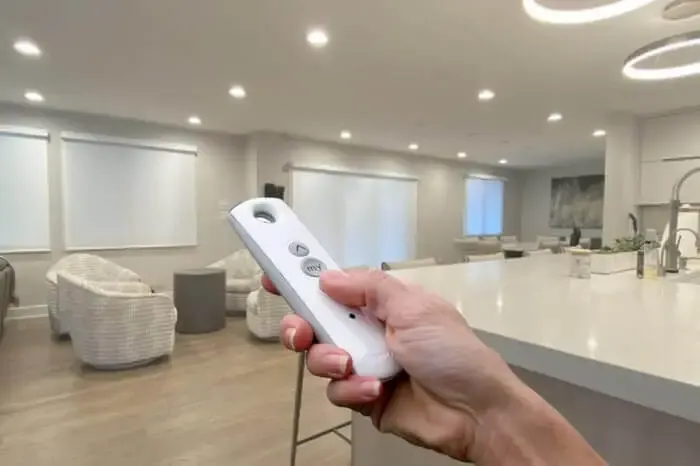 Which Smart Home Hub Fits Your Greenfield Shades
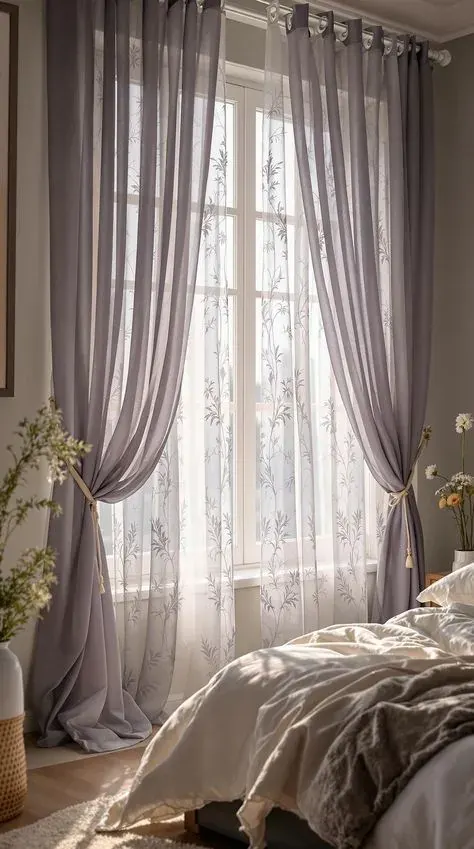 Designing Custom Drapery for Greenfield Rooms, One at a Time
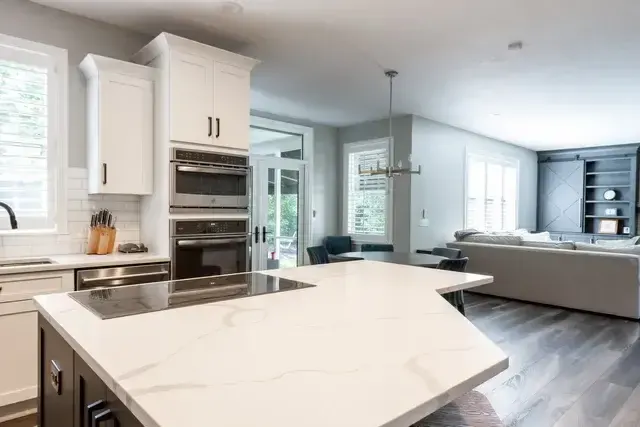 Custom vs Stock Blinds in Greenfield: What Actually Differs