Which Smart Home Hub Fits Your Greenfield Shades
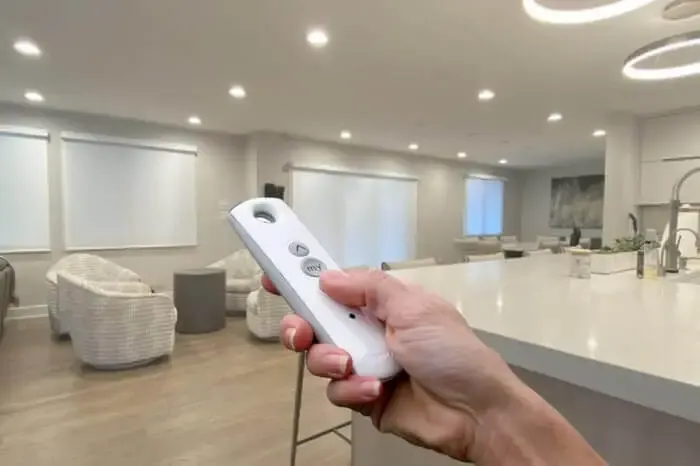
Ask five different people what "smart shades" means and you will get five different answers, a remote, an app, a voice command, a schedule, a scene that runs the whole house. All of it runs through the same handful of components, and understanding those components makes the whole shopping process a lot less confusing.
How Motorized Shades Actually Work
Before ordering, ask exactly how the motor is powered. Most are either a rechargeable battery pack or hardwired to line voltage, and a few budget kits still use disposable batteries. That answer changes the install entirely, including whether an electrician needs to be involved, and it's not always obvious from a product photo or a showroom display.
Ask what's needed to get app and voice control, specifically, not just "is it smart." Some motors need a proprietary hub sold separately. Others build networking into the motor itself, no separate hub required, though that's still the less common setup as of 2008.
And ask what happens with just the remote, no hub, no app, since that's the fallback you'll be living with the moment your Wi-Fi has a bad day or the hub needs a reset. A Greenfield installer who's actually set up more than a handful of these systems, not just sold them, should be able to answer all of that without checking a spec sheet.
Voice Control and the Hub Question
For a whole-home smart shade setup, decide on a lead ecosystem before you order anything. That choice quietly shapes which hub and which shade brands play nicely together, and retrofitting a different voice platform later is rarely as clean as planning for it up front. A few things tend to matter most in that decision:
- Alexa-based households usually have the widest range of compatible hubs to choose from.
- Google Home households should confirm the specific integration exists, not just that the hub connects to Wi-Fi.
- Apple Home households often need a hub built for that ecosystem, or a bridge, in the chain before a shade shows up as an accessory.
If your household already leans one direction, say everyone already has Apple phones and an existing Home setup, that's usually the deciding factor, more than any feature difference between the shade brands themselves.
Power Planning and Backup Control
The mistake we see most in existing homes: someone commits to hardwired shades without checking whether power is realistically available near that window, then finds out during the measure that it means opening a wall they didn't plan on opening. Confirming a power path before ordering avoids that entirely.
Another common gap: no backup remote anywhere in the house. Everything runs through the app for months, then the router has an issue and nobody can find a way to move a single shade until it's back online. A basic remote that talks straight to the motor solves this and costs very little to add.
We've also seen scenes built around a hub that then becomes a single point of failure. If the hub goes down, the scene stops working, even though every individual shade in that Greenfield home might still respond fine to its own direct remote.
Every home's Wi-Fi layout and window setup is a little different, which is exactly why a generic online configurator only gets you so far. A free in-home measure gives someone a chance to look at your actual router placement and wall layout before recommending a system.
What Actually Fails in a Smart Shade System
Fixing a connectivity issue is almost always cheaper than people expect, since it's usually a settings problem, not a hardware failure. Re-pairing a hub or replacing a battery costs little compared to what a homeowner sometimes assumes when a shade stops responding.
Where actual cost comes in is a motor that's mechanically worn out, gears that have degraded after years of heavy daily cycling. That's a real repair, sometimes a replacement, and it's the minority case rather than the norm for Greenfield smart shade service calls.
Extending a hub's range with an additional bridge or repeater is a relatively small added cost that solves a lot of intermittent connection issues in a larger home, and it's worth budgeting for upfront rather than treating it as an afterthought.
Battery Life and Charging in the Real World
Battery-powered shade motors run on a rechargeable pack, almost always lithium-based, tucked into or alongside the roller tube. How long that charge lasts depends mostly on how often the shade moves and how big and heavy the fabric is. A narrow, light shade that cycles once or twice a day might run several months between charges. A wide, heavy shade cycling more often will drain faster.
Cold matters too, the same way it does with a phone battery left in a cold car. A shade motor near a drafty Greenfield window in January can show weaker performance than the same motor in a warm interior room, even though nothing mechanically changed.
Charging usually means popping the battery tube out and connecting it to a charger, similar to charging a big power bank, and it takes a few hours. Plan on doing that a handful of times a year for an average shade, more often for one that gets used constantly.
Frequently Asked Questions
Do I need a hub for every smart shade brand?
Almost always, yes, if you want app or voice control. The shade motor itself usually talks over a radio protocol that your home Wi-Fi cannot read directly, so a hub sits in between and translates. A handful of newer motors build networking in directly, but that is still the less common setup, so check for it specifically rather than assuming.
Will my smart shades still work if the internet goes down?
The physical remote usually will, since it talks straight to the motor over its own radio signal rather than through your home network. App control and voice commands will not, because both depend on the hub reaching the internet. That is why we suggest keeping at least one physical remote in the house as backup.
How long does a shade battery actually last?
It depends heavily on how often the shade moves and how big it is. A narrow bedroom shade cycled once or twice a day might go several months between charges. A wide living room shade cycled more often, or one in a cold room, will need charging more frequently. Manufacturer estimates usually assume light, average use.
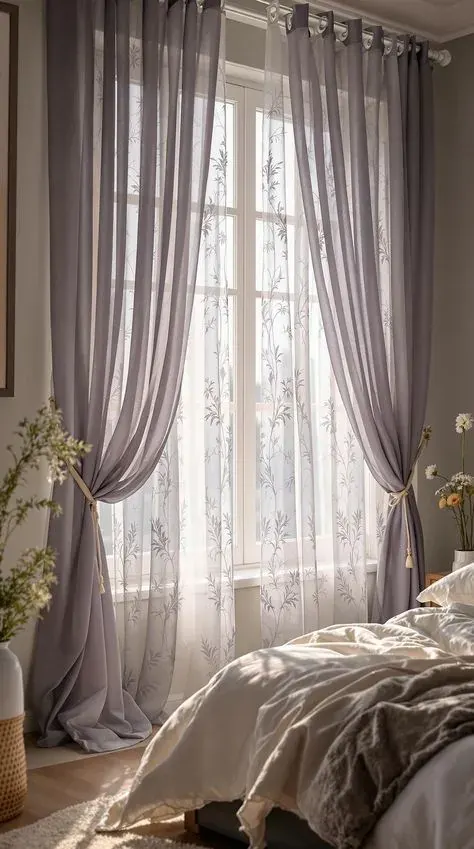 Designing Custom Drapery for Greenfield Rooms, One at a Time
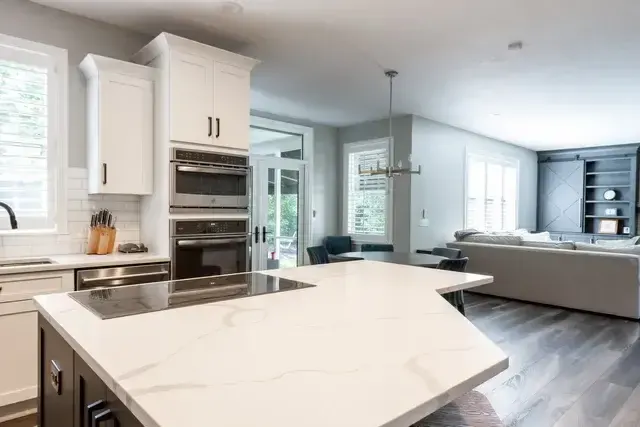 Custom vs Stock Blinds in Greenfield: What Actually Differs
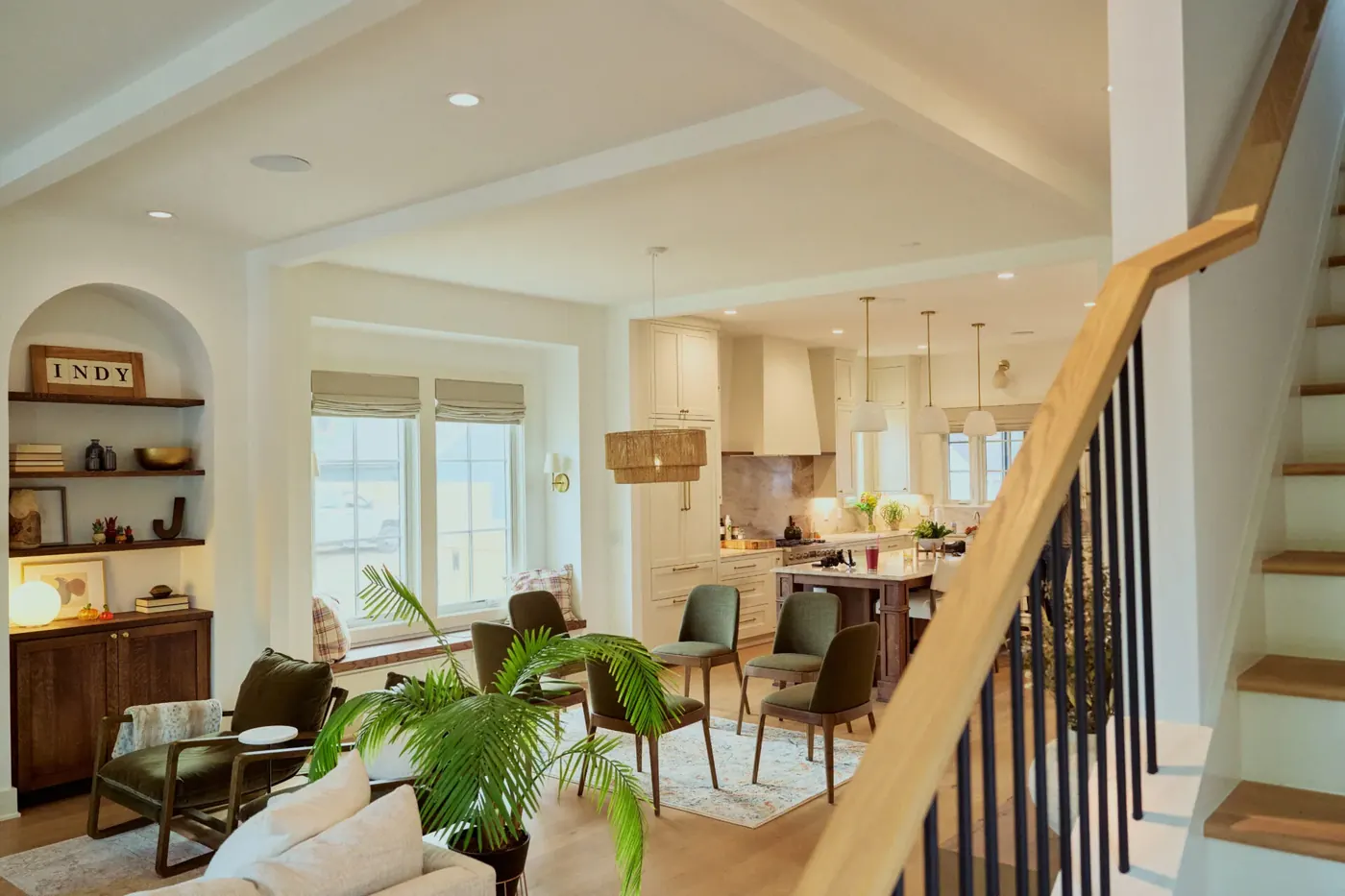 New Construction Window Treatments in Greenfield: Timing