Wood Blinds Room by Room in a Greenfield House: Design Notes
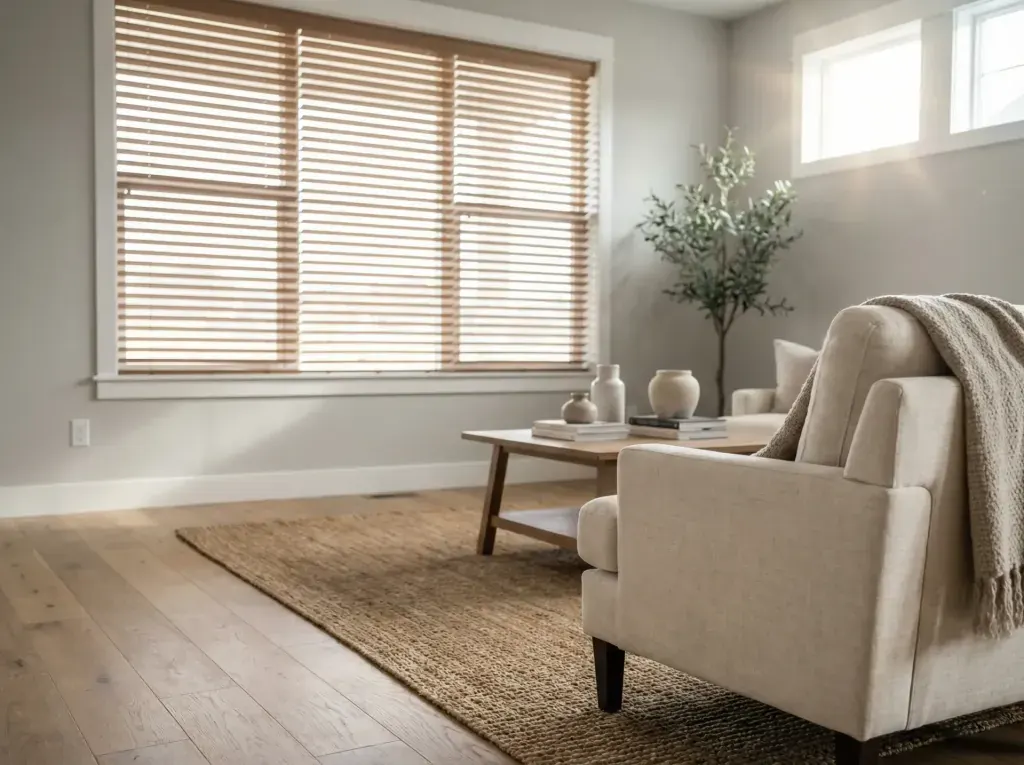
Wood blinds are the most architectural thing you can put on a window. They read as part of the trim rather than as a decoration, which makes the design questions different from picking a fabric. Slat scale, stain, valance style and where the material can survive all matter more than color. A 1960s house in Greenfield Courthouse Square Historic District, Greenfield Residential Historic District, The Apple, Berry, Cherry and Date street grid (east of the square) and a new build want different answers. This is a walk through a Greenfield house, room by room, with the calls we would make in each one.
Wood blinds are architecture, not decoration
A wood blind reads as part of the window rather than as something hung on it. That is why they work in houses where a soft shade would look temporary, and it is also why the choices that matter most are about matching the room's woodwork rather than picking a pretty color. Work through the house one room at a time.
Scale, proportion and the top of the window
Two blinds that are identical except for how they are mounted can look completely different. An outside mount above the trim, run wider than the opening, makes a short window look taller and hides the fact that the opening is small. An inside mount does the opposite. It draws a hard line at the real edges of the opening, which is the right move on good trim and the wrong move on trim you would rather not highlight.
Raised stack is the other proportion question. A blind pulled all the way up piles its slats at the top, and on a short Greenfield window that pile covers a surprising share of the glass. If you raise the blinds every morning, the stack is part of your view, so account for it before choosing the widest slat on offer.
Stain, paint and matching the trim
- Matching stained blinds to stained trim exactly is difficult, because the trim has aged and the new wood has not. Getting close and letting the difference read as intentional usually looks better than a near miss.
- White painted slats against white trim is the safest combination in the book, and it makes small windows feel larger.
- A stain darker than the floor and lighter than the furniture tends to settle a room down.
- Grain varies piece to piece in real wood. That is the charm of the material, and it also means two orders months apart will not be twins.
- Composite takes paint beautifully and holds color in sun better than most stains do.
Doors, stairs and awkward spots
On a door, use hold down brackets and check the handle clearance before ordering, since the blind has to swing with the door without banging into anything. On a stair window, motorize it or accept that it will stay in one position forever. For a window behind a kitchen faucet, a cordless lift keeps you from reaching across a wet counter.
Across Greenfield and IN communities the pattern we see most often is a house where every window got a slightly different answer. Pick one slat size and one finish for the public rooms, allow the wet rooms their own material, and the whole floor will look considered instead of accidental.
Get every bid on the same five points and the pricing stops being confusing: material, slat size, routed or not, lift type, mount type. Then compare lead times. Greenfield Window Treatments quotes per window in writing and works from national ranges. We are insured and insured. Call (317) 854-7158 and we will measure your openings and put it on paper.
Living room and dining room
This is basswood territory. The rooms are dry, the windows are usually the biggest in the house, and the slat is doing real visual work. A 2 inch slat suits most openings. Step up to 2 and a half only on tall windows with generous trim, where the larger slat looks proportional instead of clunky.
On a wide opening, split the blind into two on one headrail rather than fighting a single heavy unit. The shared valance keeps the top line unbroken, so the wall still reads as one window while each half works independently. Many Greenfield living rooms have a wide front window that is exactly this situation.
Bedrooms
Bedrooms are where route less slats earn their upcharge. Standard blinds have a ladder hole punched through every slat, and at night those holes line up into a column of light dots. If there is a streetlight or a driveway across from the window, you will see them. Route less removes the holes from the face of the slat entirely.
Even so, a blind alone is not a dark room. Slats close tight but never seal, and light still comes around the edges of an inside mount. If you want the room genuinely dark, layer a lined drapery panel over the blind, or move to an outside mounted room darkening shade and keep the blind for the look.
Valances, returns and the top edge
The valance decides how finished the window looks. A flat valance matching the slats disappears. A crown valance adds formality and suits a dining room more than a den. On an outside mount, insist on returns so the headrail is not visible from the side, which is the detail that separates a professional install from a weekend one.
If you are layering drapery over blinds, mount the rod high and wide, then check the bracket projection against the depth of the blind's headrail and valance. A shallow bracket will not clear them, and you will discover that with the drapes already made. Measure the projection first.
Kitchen and bath
Faux wood or composite, without much debate. Over a sink there is splash, steam and the occasional pot boiling under the window. A painted composite slat wipes down and does not care. Real wood in that spot cups within a couple of seasons and then never closes flat again.
In a bathroom, add one more consideration. A blind over a tub is hard to reach, so a cordless lift with a low bottom rail or a wand tilt saves a daily stretch. Keep the slat size modest on a small window, since a wide slat on a narrow opening looks out of scale.
Frequently Asked Questions
Are faux wood blinds always cheaper than real wood?
Usually, but not always. Solid PVC is the cheapest thing in the category. Composite, which is a wood-polymer core with a painted surface, sits in the middle and can approach the price of basic basswood. Premium stained basswood is the most expensive. The better question is which material suits the room, since spending up on real wood for a damp window is how people waste money here, not by choosing the wrong price tier.
Can wood blinds be cordless if we have young kids?
Yes, and cordless lift with a wand tilt is what we would put in any house with children or pets. Ask for cordless product built to ANSI/WCMA A100.1-2022, which is the product safety standard covering how these are made. The one catch is weight. Cordless mechanisms are springs with published limits, so a very wide faux wood blind may not be offered cordless at all, which pushes you toward splitting it or motorizing it.
Will new blinds match ones I bought two years ago?
Not exactly, and anybody who promises otherwise has not looked at enough wood. Stain absorbs differently depending on the grain of the particular boards a mill runs that week, and painted finishes shift slightly between production runs too. Sunlight then ages the older set. If matching matters, order the whole room at once. If you are adding one window, put the new blind where it is not directly beside the old ones.
How do I clean wood blinds properly?
Dust regularly with a dry microfiber cloth or a vacuum brush on low suction, closing the slats one way, wiping, then closing them the other way. Faux wood and composite tolerate a damp cloth with mild soap. Real wood should never be soaked, since water raises the grain and can cup a slat. Skip the furniture polish, which builds up a film that grabs dust and gums up the ladder strings over time.
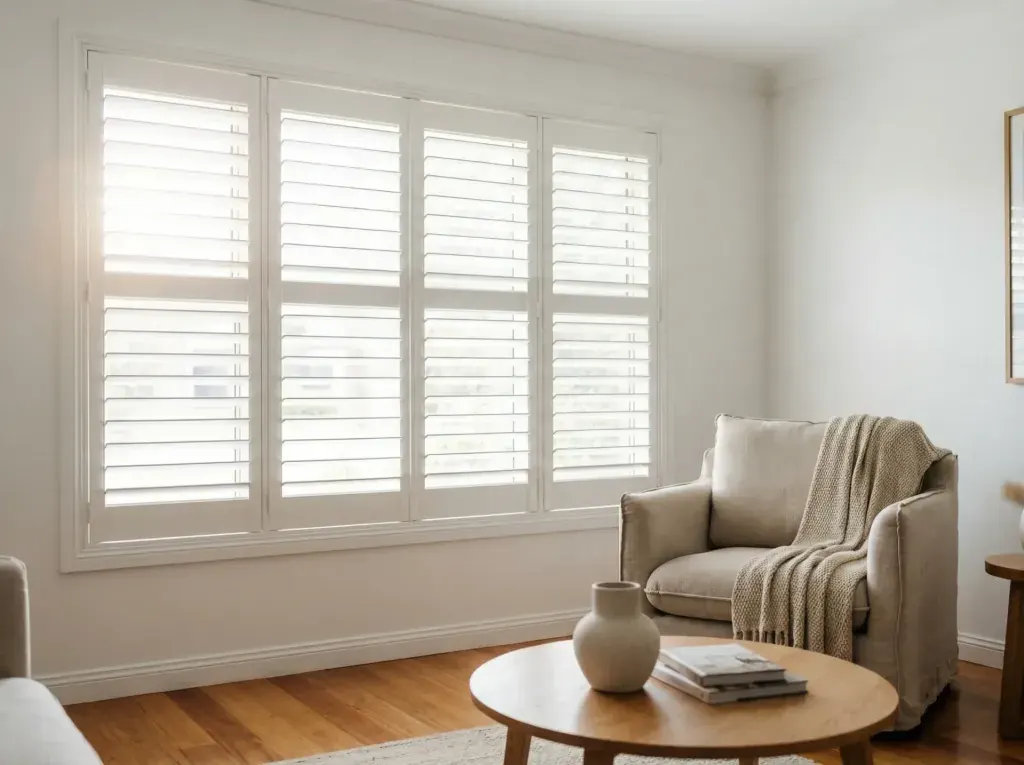 Plantation Shutter Style Room by Room in Greenfield Homes
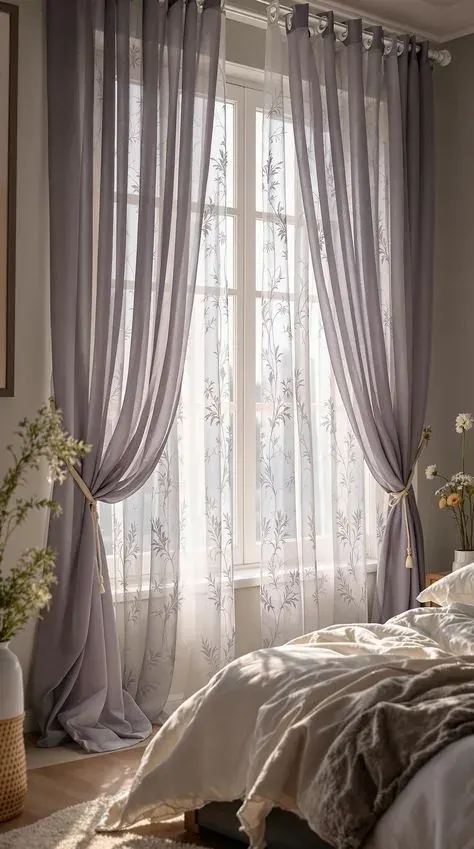 Designing Custom Drapery for Greenfield Rooms, One at a Time
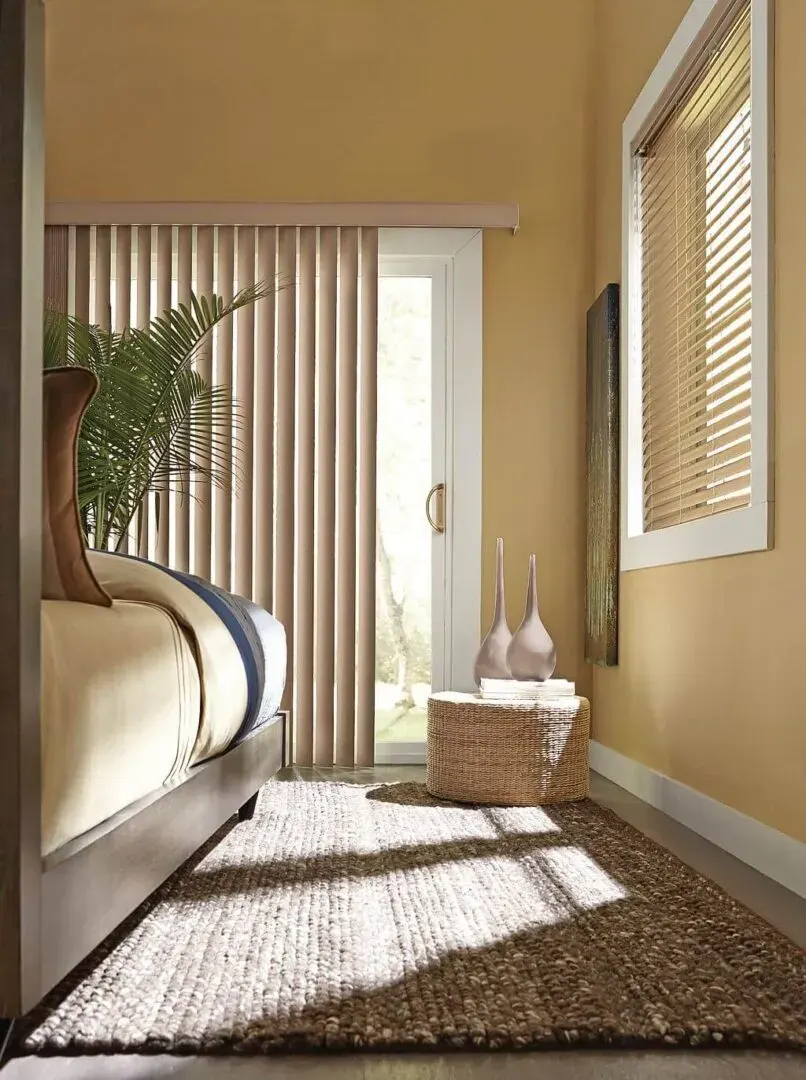 Blind Repair in Greenfield: What Actually Breaks and Why